Faculty conduct research on a variety of issues related to disease and the disablement process throughout the lifespan. The department conducts and participates in collaborative and interdisciplinary research relevant to physical therapy in the clinical sciences and in the basic sciences. Research is conducted in a variety of locations including research laboratories within and outside the department as well as in a variety of clinical settings.
Research Labs
There are multiple labs on site at Virginia Commonwealth University, where physical therapy faculty and students conduct research across a wide spectrum of clinically relevant topics. In addition, departmental faculty engage in clinical research and collect data at various clinical sites in the greater Richmond area as well as various sites across the U.S.
Investigators are scientists devoted to research - developing preliminary data, testing procedures and developing hypotheses. Listed below are the investigators and research highlights of Virginia Commonwealth University's Department of Physical Therapy.
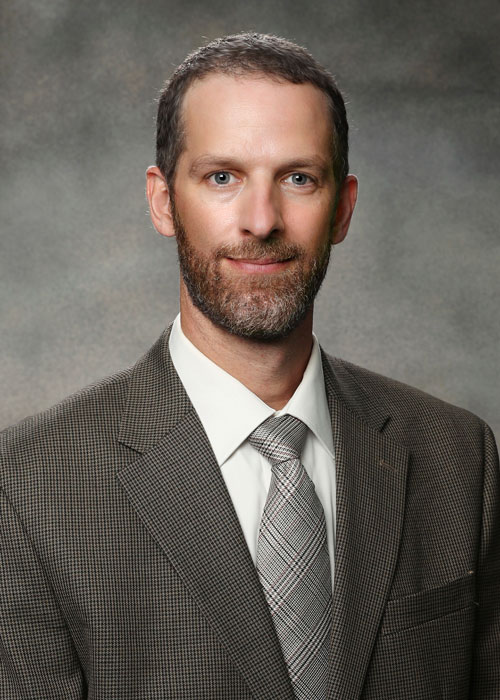
Dr. Kline’s research focuses on translational movement science and rehabilitation for people with chronic musculoskeletal conditions such as lower limb amputation, osteoarthritis, and diabetic foot ulceration. Using biomechanical methods, wearable devices, and clinical mobility measures, his work aims to identify modifiable contributors to real-world movement behavior and develop novel, clinically-feasible interventions to improve movement quality and mobility.
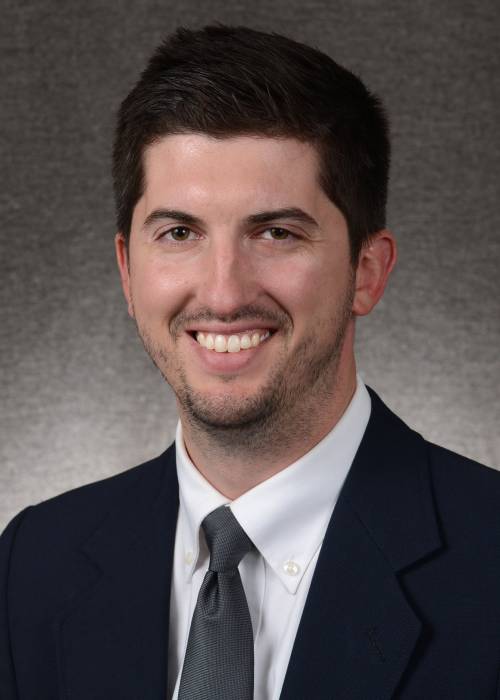
Dr. Duppen’s research examines the mechanisms that limit safe and independent mobility in older adults and people with neurologic conditions, with a particular focus on Parkinson disease. Integrating biomechanical analyses, clinical mobility assessments, and neurophysiological approaches, this work seeks to identify modifiable contributors to mobility impairment. The overarching aim is to advance mechanism-informed rehabilitation strategies that preserve functional independence, reduce fall risk, and enhance quality of life.
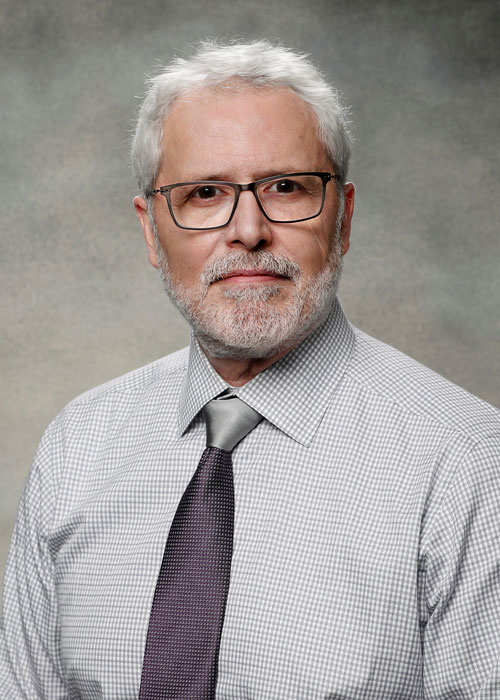
Research interests include biomechanics and motor control aspects of human motion in sports medicine, pediatrics and elite performance settings, the quantitative assessment and design of therapeutic interventions in orthopaedic treatment settings, and the design and construction of specialized research equipment. Pidcoe teaches in the Rehabilitation and Movement Science Ph.D. program.
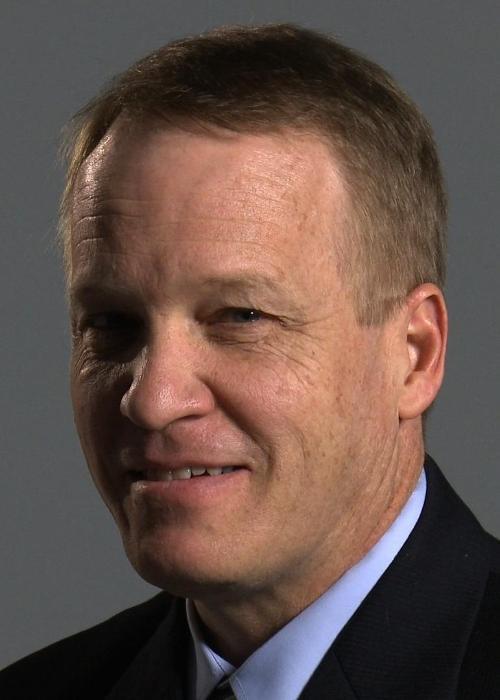
Research interests are in the area of back pain and trunk control. The Motor Control Lab brings together experts in the field of motor control science and uses Virtual Reality tools to better understand control of trunk movements and how various orthopedic or neurologic impairments alter that control.